Culture, History & Traditions of Hunza Valley
Hunza Valley is famous not only for its breathtaking mountains but also for its rich history, unique traditions, ancient forts, traditional music, local languages, and welcoming communities. Discover the cultural heritage and fascinating history of Hunza, Gilgit-Baltistan.
Culture, History & Traditions of Hunza Valley
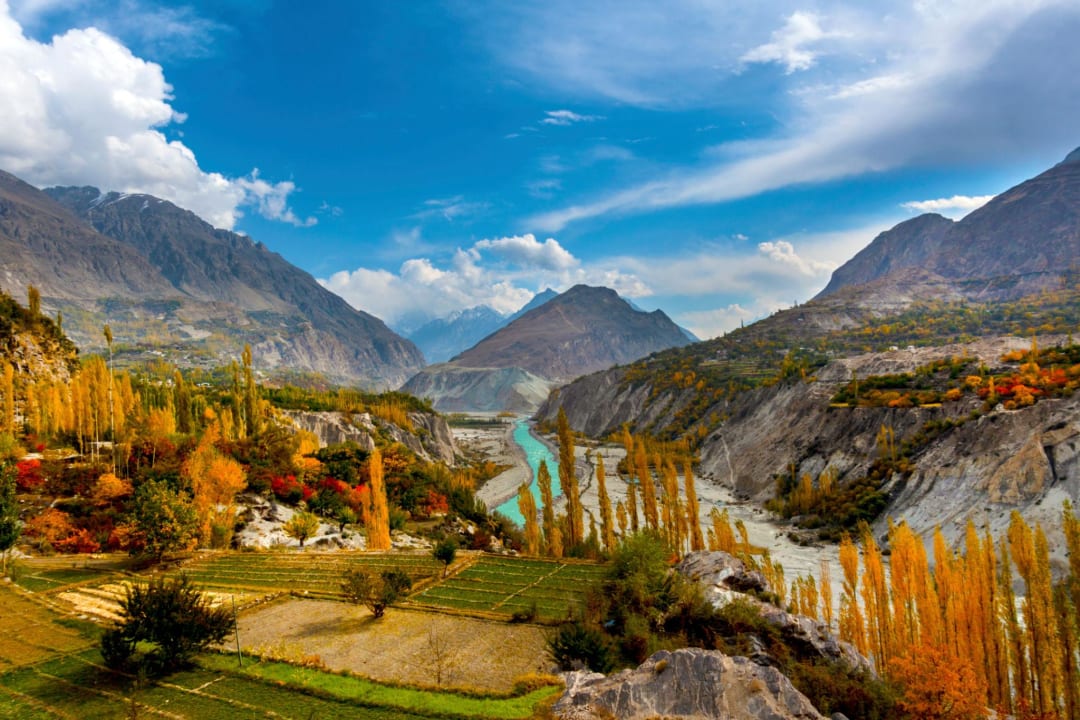
Hunza Valley, located in the northern region of Gilgit-Baltistan, Pakistan, is a destination known for its spectacular mountain scenery, peaceful villages, and rich cultural heritage. Surrounded by the Karakoram mountain range, Hunza is more than just a beautiful tourist destination. It is a region with centuries of history, fascinating traditions, unique languages, and a strong connection to its cultural roots.
From the historic forts of Baltit and Altit to traditional music, local festivals, and delicious food, Hunza offers visitors an opportunity to experience the authentic culture of northern Pakistan.
1. The History of Hunza Valley
Hunza has a long and fascinating history. For centuries, it was ruled by local hereditary leaders known as the Mirs of Hunza. The region also held an important position along historic trade routes connecting Central Asia, China, and the Indian subcontinent.
Hunza's strategic location made it an important place for trade, travel, and cultural exchange. Its historic villages, old settlements, and ancient architecture still reflect its remarkable past.
2. Baltit Fort – A Symbol of Hunza's Heritage
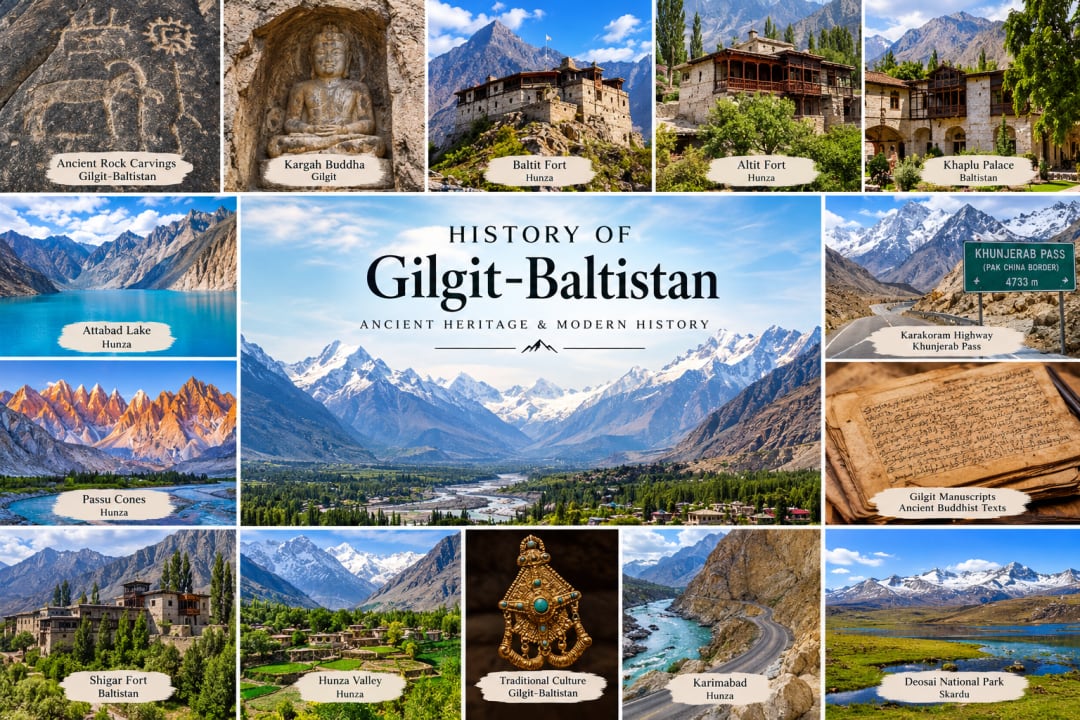
Baltit Fort is one of the most famous historical landmarks in Hunza. Located above Karimabad, this centuries-old fort represents the architectural and political history of the former Hunza state.
Its wooden balconies, traditional construction, and beautiful mountain surroundings make it an important cultural attraction.
Today, Baltit Fort serves as a heritage site where visitors can learn about the lifestyle, history, and leadership of the former rulers of Hunza.
3. Altit Fort – Discovering Ancient Architecture
Altit Fort is another remarkable historical monument located in Altit Village. It is generally considered older than Baltit Fort and reflects the traditional architectural skills of the region.
The fort stands above the Hunza River and offers beautiful views of the surrounding mountains and settlements.
Visitors can explore its historic rooms, traditional design, and nearby Altit village to understand the region's cultural heritage.
4. Languages and Cultural Identity
Hunza is culturally diverse, with several local languages reflecting its historical connections and communities.
The main languages include:
- Burushaski: A unique language spoken by many communities in Hunza.
- Wakhi: Widely spoken in Upper Hunza, particularly in Gojal.
- Shina: Spoken in parts of the wider region, including some communities in lower Hunza.
These languages are an important part of local identity and are passed down through generations.
5. Traditional Clothing of Hunza
Traditional clothing reflects the cultural identity and lifestyle of Hunza's people.
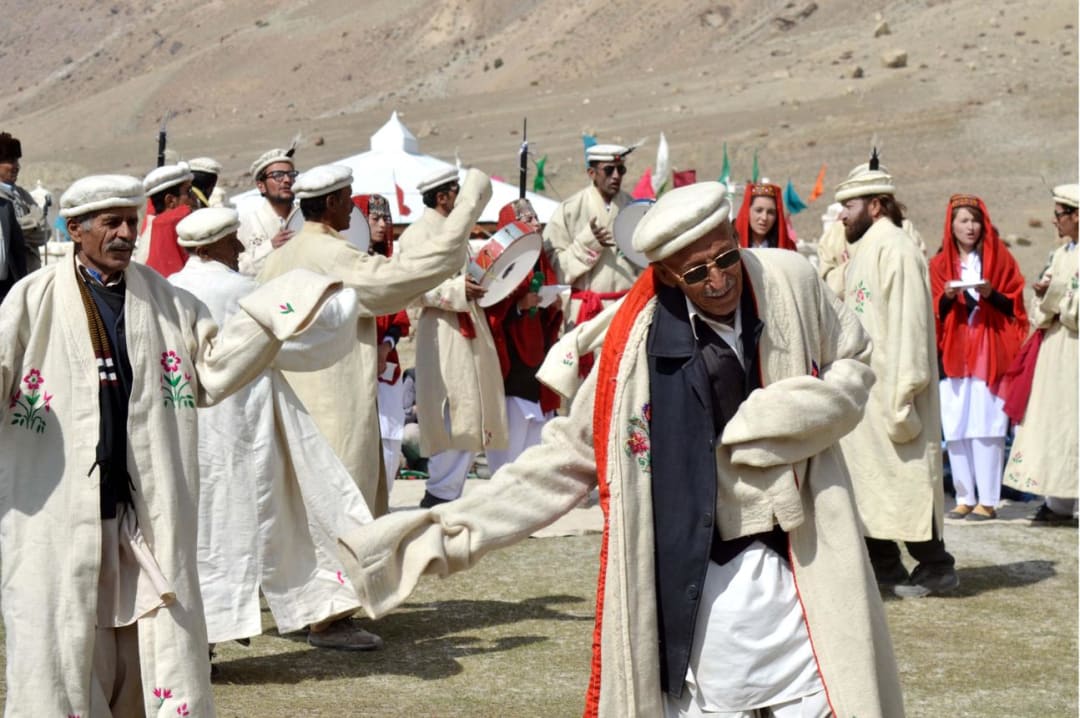
Women traditionally wear colourful dresses, embroidered caps, and locally styled head coverings. Men commonly wear traditional caps, woollen garments, and warm clothing suitable for the mountain climate.
The traditional Hunza cap is a recognizable cultural symbol and is often worn during festivals, weddings, and special occasions.
6. Traditional Music and Dance
Music and dance are important parts of cultural celebrations in Hunza.
Traditional musical instruments, including the surnai and drums, are used during cultural gatherings and festive occasions. Folk songs often express love, happiness, history, and everyday life.
Traditional dances bring communities together and are commonly performed during weddings, festivals, and celebrations.
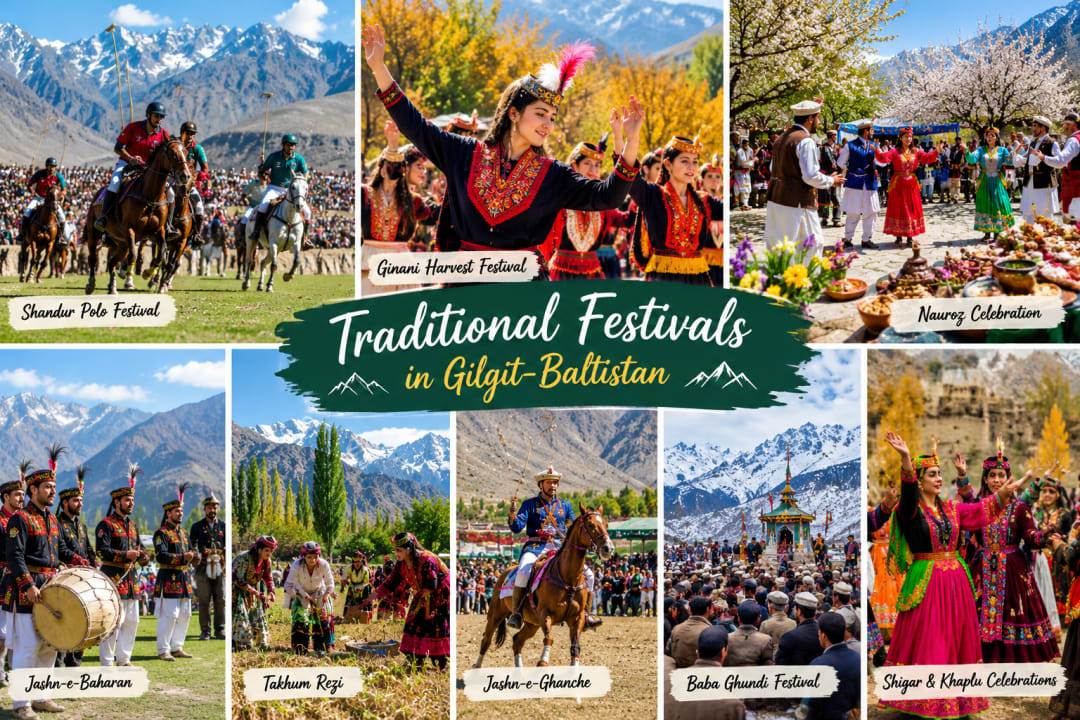
7. Festivals and Cultural Celebrations
Hunza celebrates several traditional and seasonal festivals that reflect its agricultural heritage and community values.
Some important celebrations include:
- Navroz: Celebrated around the spring equinox, marking a new beginning.
- Ginani: A traditional harvest celebration associated with the wheat harvest.
- Taghum: A spring celebration associated with agricultural life in parts of the region.
- Traditional wedding celebrations: Community gatherings featuring music, food, and cultural performances.
These occasions provide visitors with opportunities to experience local hospitality and cultural traditions.
8. Traditional Food of Hunza
Hunza's traditional cuisine is closely connected to its agricultural lifestyle and locally available ingredients.
Some popular traditional foods include:
- Chapshuro: A traditional meat-filled pastry.
- Diram Pitti: A traditional dish made from sprouted wheat flour.
- Harissa: A slow-cooked dish traditionally prepared with meat and grains.
- Gyal: A traditional buckwheat or wheat-based pancake.
- Molida: A traditional dish made using bread and other ingredients.
Local apricots, walnuts, cherries, apples, and other seasonal fruits are also important parts of Hunza's food culture.
9. Traditional Handicrafts and Local Skills
Hunza has a rich tradition of handicrafts and handmade products. Local artisans create embroidered items, woollen products, traditional caps, handmade accessories, and decorative crafts.
These products reflect generations of creativity and traditional skills. Visitors can explore local markets in Karimabad and nearby villages to discover handmade souvenirs.
10. Hospitality and Community Lifestyle
One of the most memorable aspects of Hunza is the hospitality of its people.
Local communities are known for welcoming visitors and sharing their culture, food, and traditions. Village life often reflects strong family connections, cooperation, respect for elders, and community participation.
Agriculture, tourism, education, and small businesses all contribute to the changing lifestyle of the region.
11. Experience the Cultural Beauty of Hunza
Hunza offers much more than beautiful landscapes and mountain views. Its historical forts, traditional villages, local languages, festivals, food, and welcoming communities make it a unique cultural destination.
Whether you explore Baltit Fort, walk through the streets of Altit Village, visit Karimabad Bazaar, or travel towards the traditional settlements of Gojal, every experience offers a deeper understanding of Hunza's heritage.
Conclusion
The culture, history, and traditions of Hunza Valley are an important part of the heritage of Gilgit-Baltistan. Its ancient architecture, traditional celebrations, local cuisine, and community values make it a special destination for travellers interested in history and cultural tourism.
A visit to Hunza is not just a journey through beautiful mountains; it is an opportunity to discover the traditions and stories of a remarkable region of Pakistan.